
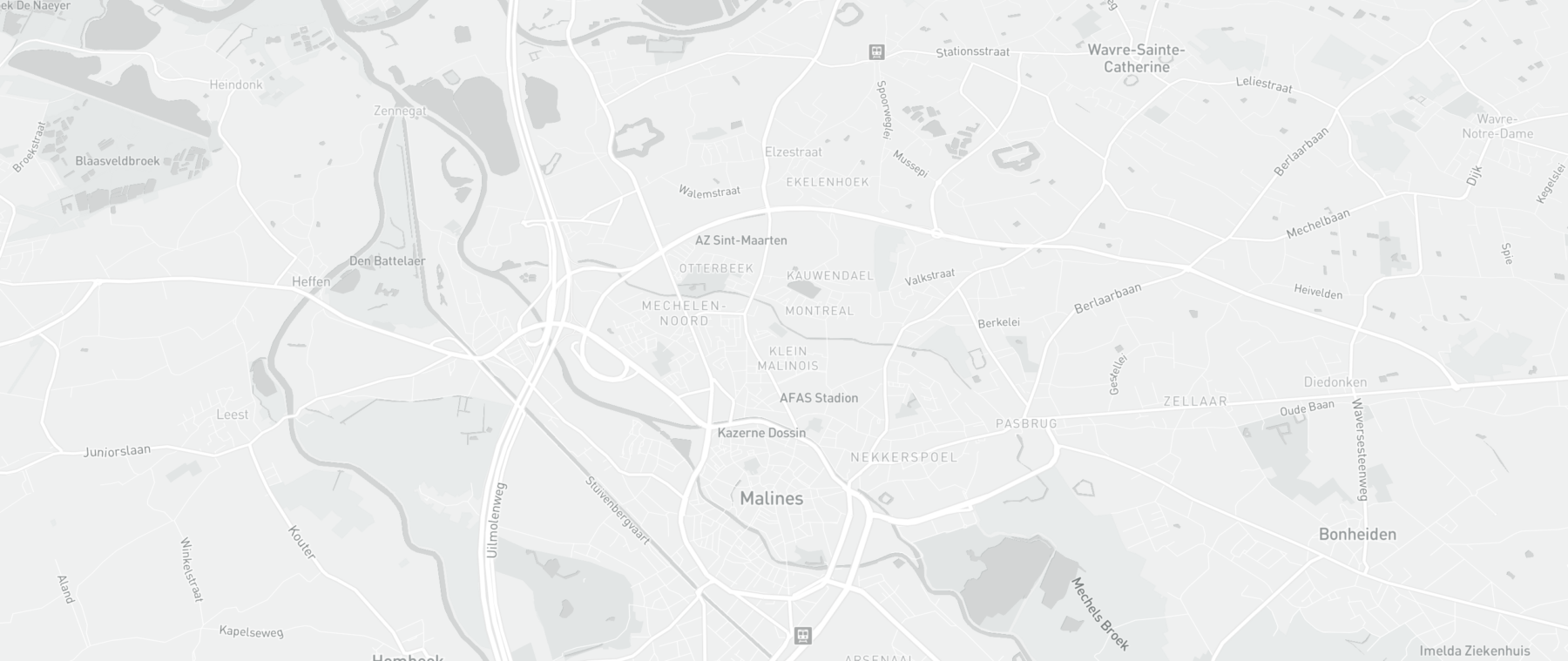
 Discover the Route Map
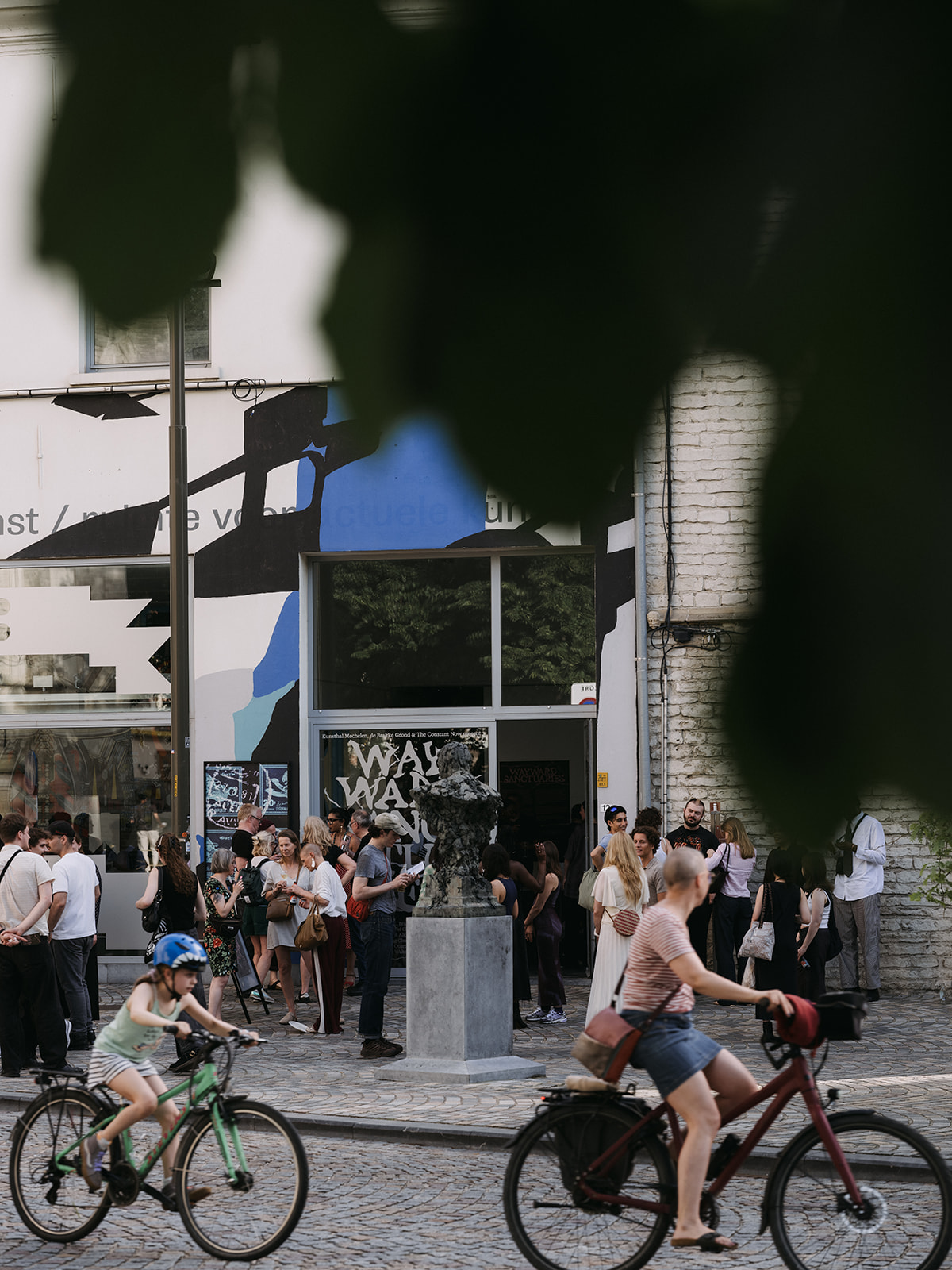
KUNSTHAL MECHELEN
Onder-Den-Toren 12, 2800 Mechelen
Total viewing time: 1 h 57 min
Website / Instagram
Once the residence of Mechelen’s fifteenth century aristocratic and political elite, the building that now houses Kunsthal Mechelen has been reshaped over time by industrialisation and car culture. Designed by Jos Chabot in 1925 as a car garage, its architecture still bears traces of this transformation. During the 1930s, it served as a distribution centre for renowned U.S. car brands. By the mid-20th century, it functioned as a petrol station with a double fuel pump at its entrance. In 2000, it reopened as De Garage and eventually became Kunsthal Mechelen, a platform for contemporary art and cultural production within the city’s historic centre.
De Garage draws the body into darkness and resonance—an invitation to let the eyes adjust, to feel the density of sound, to sit with the spectral, with what has been lost and transformed. Industrial materials and elemental textures hold traces of infancy and ancestry, of the technological and the geological, the planetary and the intimate.
Featured artistsTuan Andrew Nguyen, Ayoung Kim, Mariana Caló & Francisco Queimadela, Yuyan Wang, Kivu Ruhorahoza & Christian Nyampeta
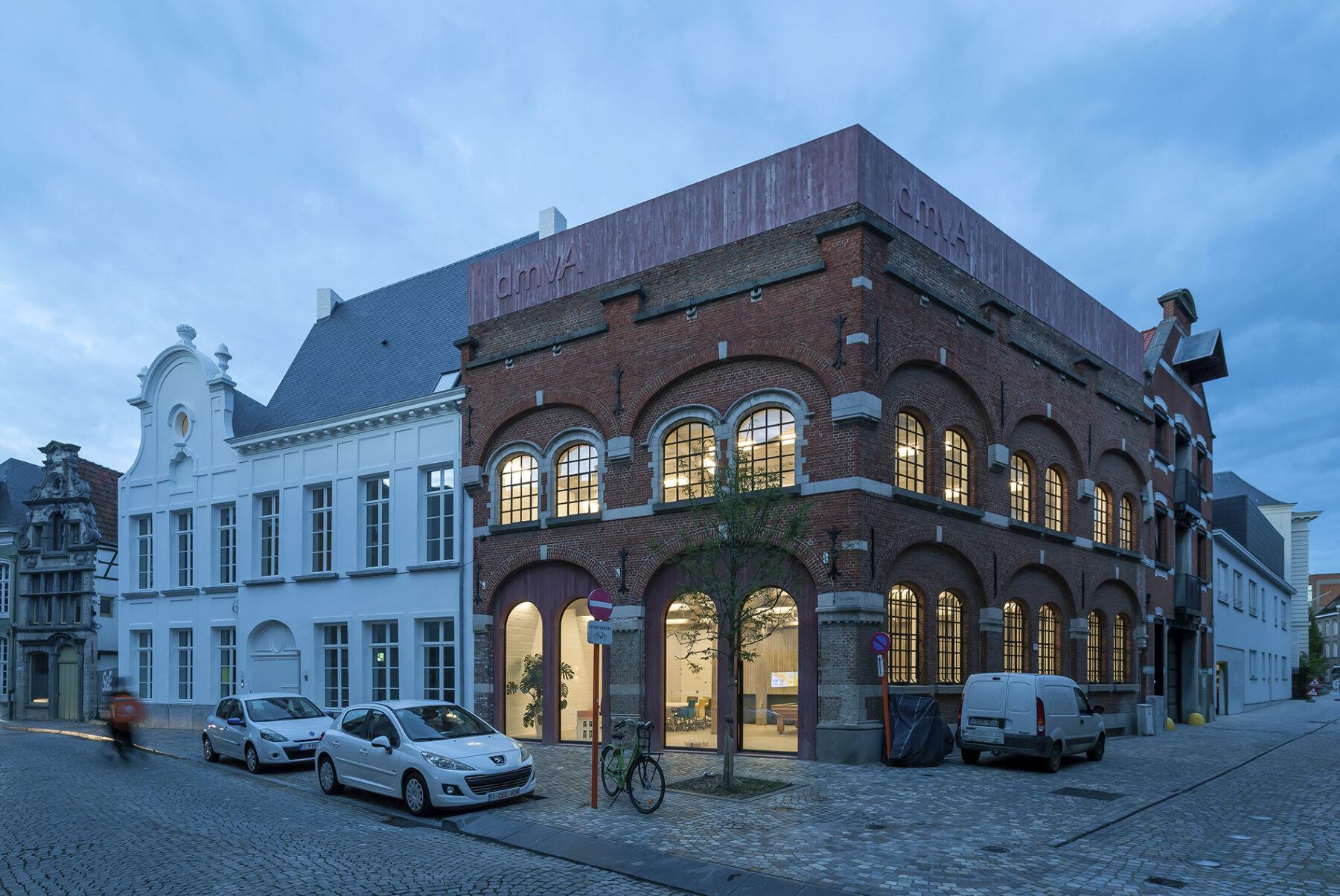
dmvA Architects
Sint-Katelijnestraat 16
Total viewing time: 10 min
Website / Instagram
Home to the architecture studio dmvA, the building known as Gallery Mispelters and formerly called ‘Drijhoek’, has been an inn, an artist’s residence, and later on a brewery. Bombed in 1914, it was rebuilt as a warehouse and workshop. In the twentieth century, it housed New Mispelters, a stationary shop which served the city of Mechelen for more than seventy years. Situated on Sint-Katelijnestraat, historically a street of painters, sculptors, bell founders, artisans, and breweries, the site remains woven in the city’s traditions of making, craftsmanship, and everyday cultural production.
From the resonant darkness of De Garage, dmvA unfolds as a satire: where humour and unease sit close together, and fragility and hope remain in constant negotiation. Suspended between collapse and possibility, its restless mood invites tenderness amid the ruin of former certainties and the tentative architectures that might come next.
Featured artistÖzgür Kar
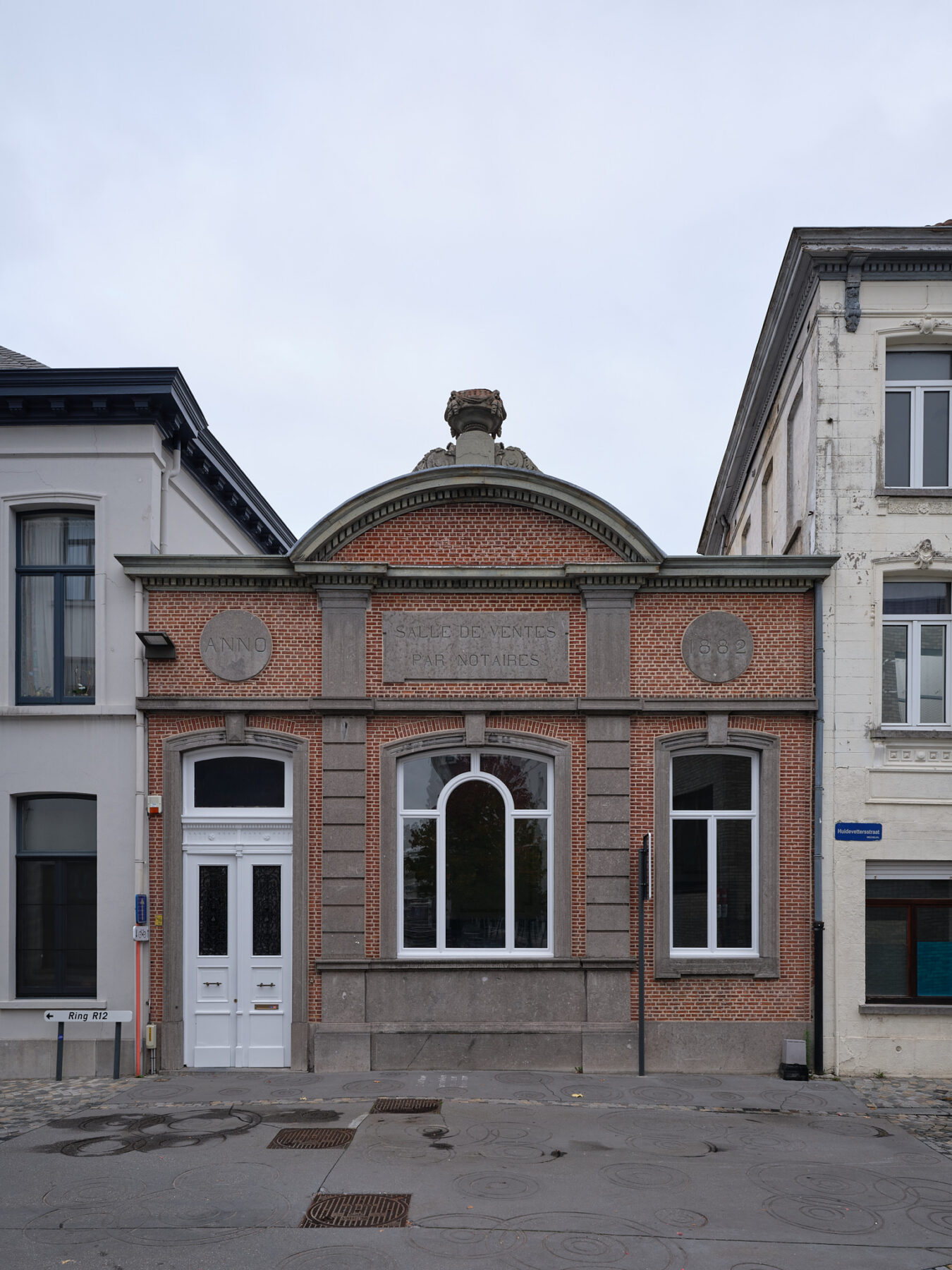
TACK TICK
Huidevettersstraat 3, 2800 Mechelen
Total viewing time: 10 min
Website / Instagram
Recently opened, TACK TICK is a new space for contemporary art developed by TICK TACK (Antwerp), housed in a neoclassical building from 1882. For over a century, the venue operated as the Salle de Ventes par Notaires, an auction hall where the belongings of the deceased were catalogued, assessed, and redistributed among the living. Furniture, artworks, books, and household objects passed through its rooms, moving between private and public life and taking on new meanings with each transaction.
TACK TICK reveals an overturn—a space of reckoning, raw, attentive, and emotionally charged. Personal tragedy meets ecological grief and political fracture, where the past does not stay behind: memory and testimony surface unexpectedly, haunting, asking to be held.
Featured artistsGabriel Abrantes, Claudia Pagès Rabal
Silent Garden / Stiltetuin
Schoutetstraat 2800 Mechelen
Website
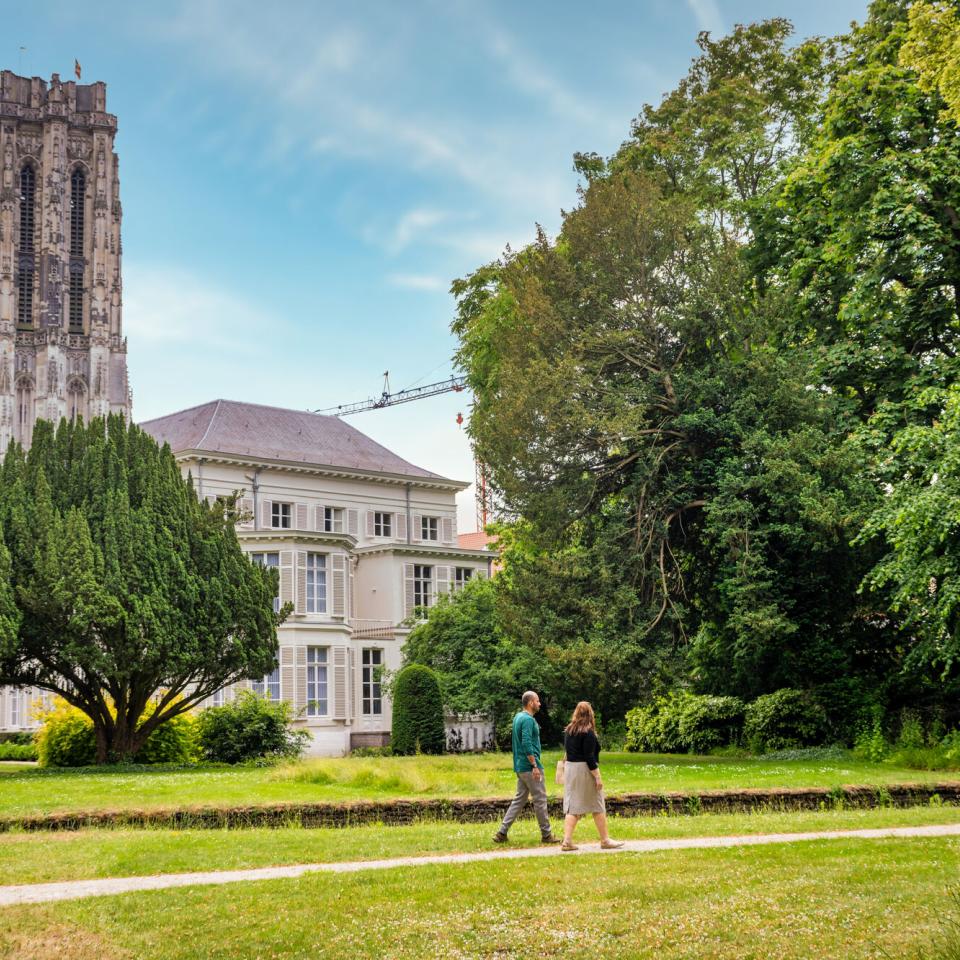
Hidden within Mechelen’s dense medieval fabric, the Stiltetuin—or Silent Garden—is a secluded walled garden belonging to the Archbishop’s Palace. Preserved since the sixteenth century as a space for retreat and contemplation, the garden retains an atmosphere of quiet in the city centre. Partly opened to the public in 2017, it stands at the historic confluence of two former waterways. Local lore tells of two lovers who drowned here, their forbidden love giving rise to the name Hellegat—or Hell’s Hole—evoking religious imaginaries of sin, transgression, and the afterlife.
As Contour Biennale 11’s parcours nears its end, the Stiltetuin offers a space for rest and resettlement—where dream, consciousness, and the senses drift together. It is home to a new permanent sculpture rooted in experiences of longing, intimacy, and emotional transformation. This public artwork marks the first commission in a new long-term collaboration between Contour Biennale and the City of Mechelen.
Featured artistRodrigo Hernández
De Noker
Nokerstraat 4, 2800 Mechelen
Total viewing time: 60 min
Website
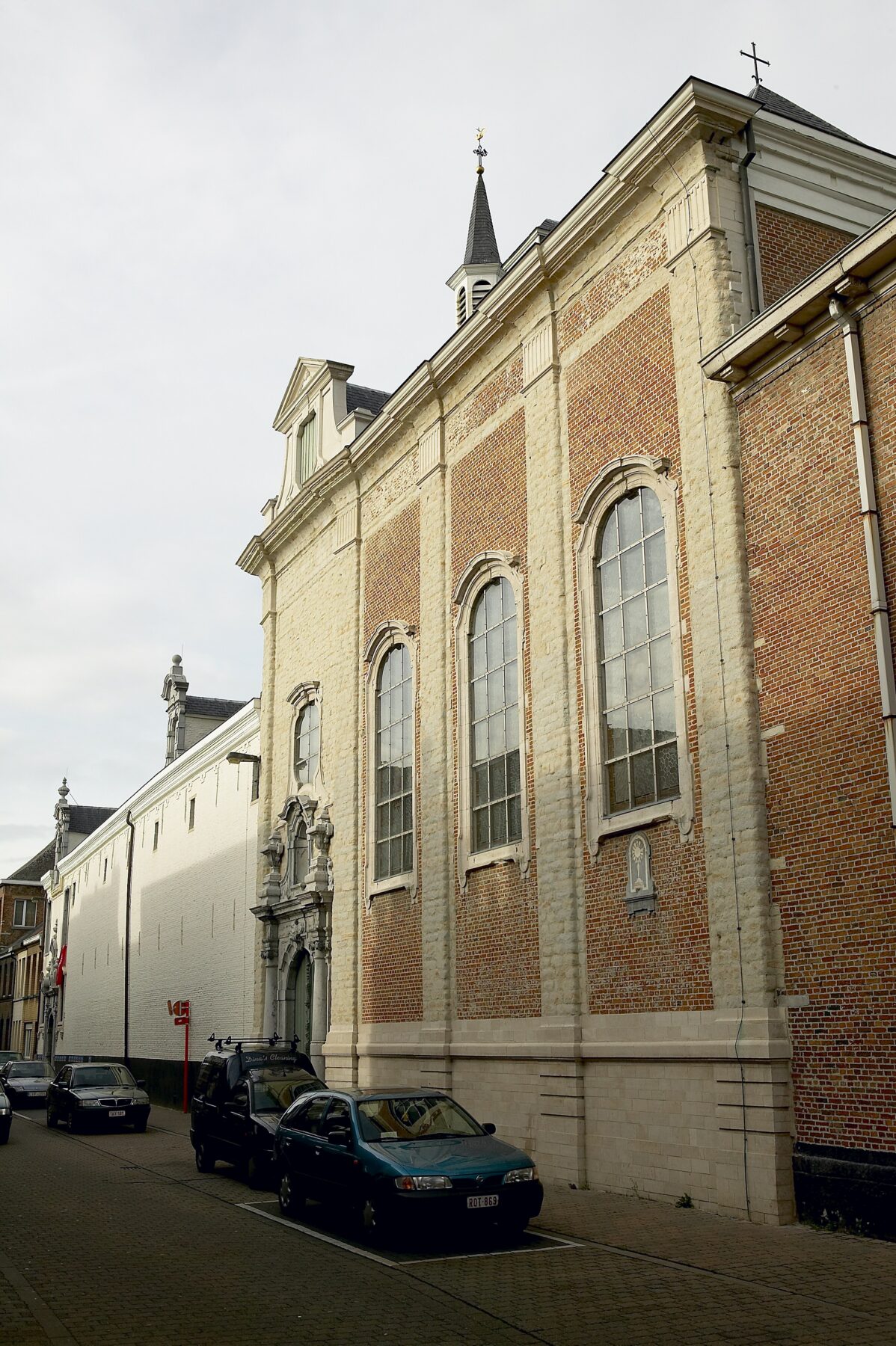
De Noker is a former religious and care institution shaped by practices of healing, hospitality, and social support. Since the fourteenth century, it functioned as a hospice for the impoverished, the sick, the elderly, and orphans. In the seventeenth century, the Cellebroeders (also known as Alexians or Cellites), a lay religious order, continued this work for three more centuries, caring for those affected by plague, mental distress, and social abandonment. In Mechelen, the Cellites were tasked with burying the dead. In the twentieth century, Franciscan nuns gradually opened the cloister to neighbourhood life, offering childcare, establishing a school and providing support to migrant communities, including Moroccan workers who arrived in Mehchelen during the 1960s labour migrations. Today, under the stewardship of the non-profit care group “Emmaüs”, the building still reflects a history of solidarity rooted in everyday acts of social repair.
Contour Biennale 11’s journey closes at De Noker, a space of return and reconnection, where sound connects forests, oceans, stone, breath, and milk—elements of sustenance, continuity, and interdependence. It resolves not into closure but into cyclical continuity, an understanding of belonging within planetary and ancestral time.
Featured artistsLaure Prouvost, Ana Vaz, Lucia Martinez Garcia, Lisa Spilliaert